Just seven months ago, DRIFT (Dynamic Refueling Initiative for Fighters training) was only an idea to improve Air-to-Air Refueling (AAR) training in Europe through multinational cooperation. Today, it has become a reality, and a significant step forward for interoperability.
Through this project, the MCCE AAR cell is moving from a reactive case-by-case coordination of AAR requests to a proactive and structured model, enabling pre-planned multinational AAR training opportunities across Europe. This marks a shift from the MCCE core business of finding bilateral AAR solutions on request into MCCE coordinating multinational AAR training for several nations together in a proactive way.
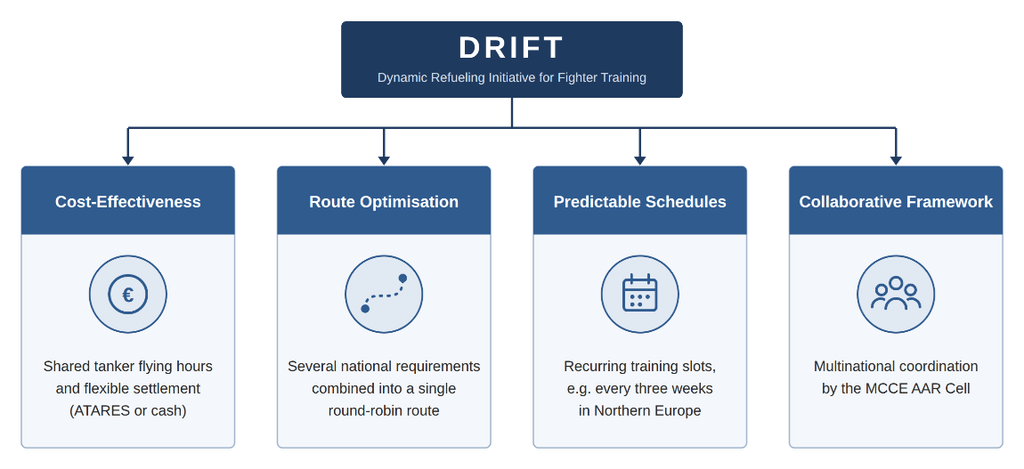
The overall aim of DRIFT is to establish regular, predictable and cost-flexible AAR training opportunities, giving receivers nations recurrent AAR training for their fighters while optimizing the use of available tankers.
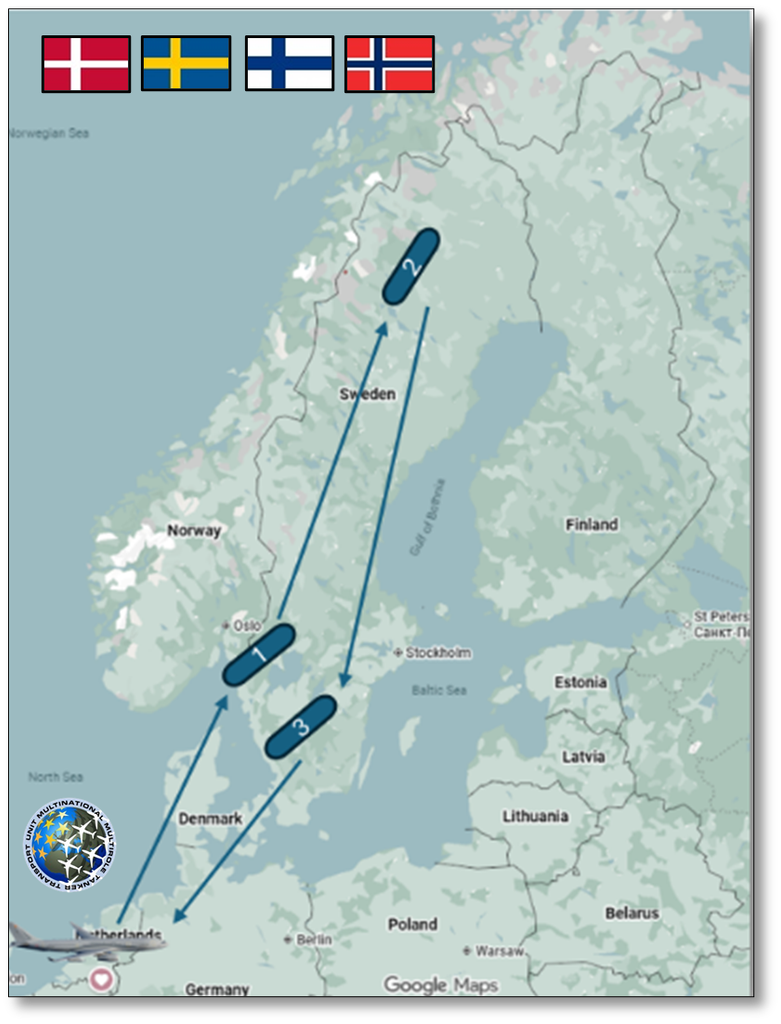
Northern DRIFT missions started in September 2026, with a regular AAR training route over Sweden flown every three weeks by am MMU MRTT for Denmark, Finland, Norway and Sweden. As all four nations are MMU members, they pool their MMU Flying hours to benefit from more regular AAR training that would be possible if MMU supported each nation individually.
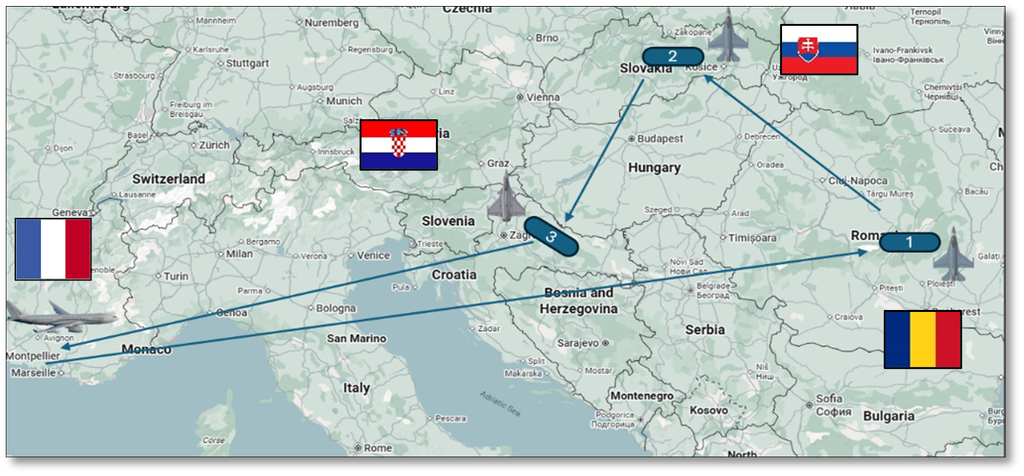
On 28 October, the first Eastern DRIFT mission was flown by a French MRTT Phénix conducting a round-robin flight to refuel Romanian F-16s, Slovakian F-16s and Croatian Rafales over their respective country. By combining several national requirements into a single coordinated route, DRIFT demonstrated its potential to optimize tanker use and make the most of available resources.
Flexibility for participating nations
Another important aspect of the initiative is the flexibility in payment arrangements for the AAR services. While Northern DRIFT use MMU flying hours, Eastern DRIFT services could be settled through ATARES or in cash, according to each receiver nation’s preference. This demonstrates DRIFT ability to accommodate different national arrangements within a common and coordinated framework.
Looking ahead
The successful completion of those flights, with further opportunities already planned, is an important milestone for DRIFT. By bringing together national requirements, optimizing routes and sharing resources, DRIFT strengthens cooperation between participating nations while reducing the financial and logistical burden of individual AAR arrangements.
In just seven months, DRIFT has moved from concept to reality, delivering its first Northern and Eastern missions and paving the way for smarter, more flexible and cost-effective multinational AAR. The journey has only just begun, and the MCCE AAR Cell encourages all interested nations (receivers or providers) to join DRIFT and help shape the next missions


