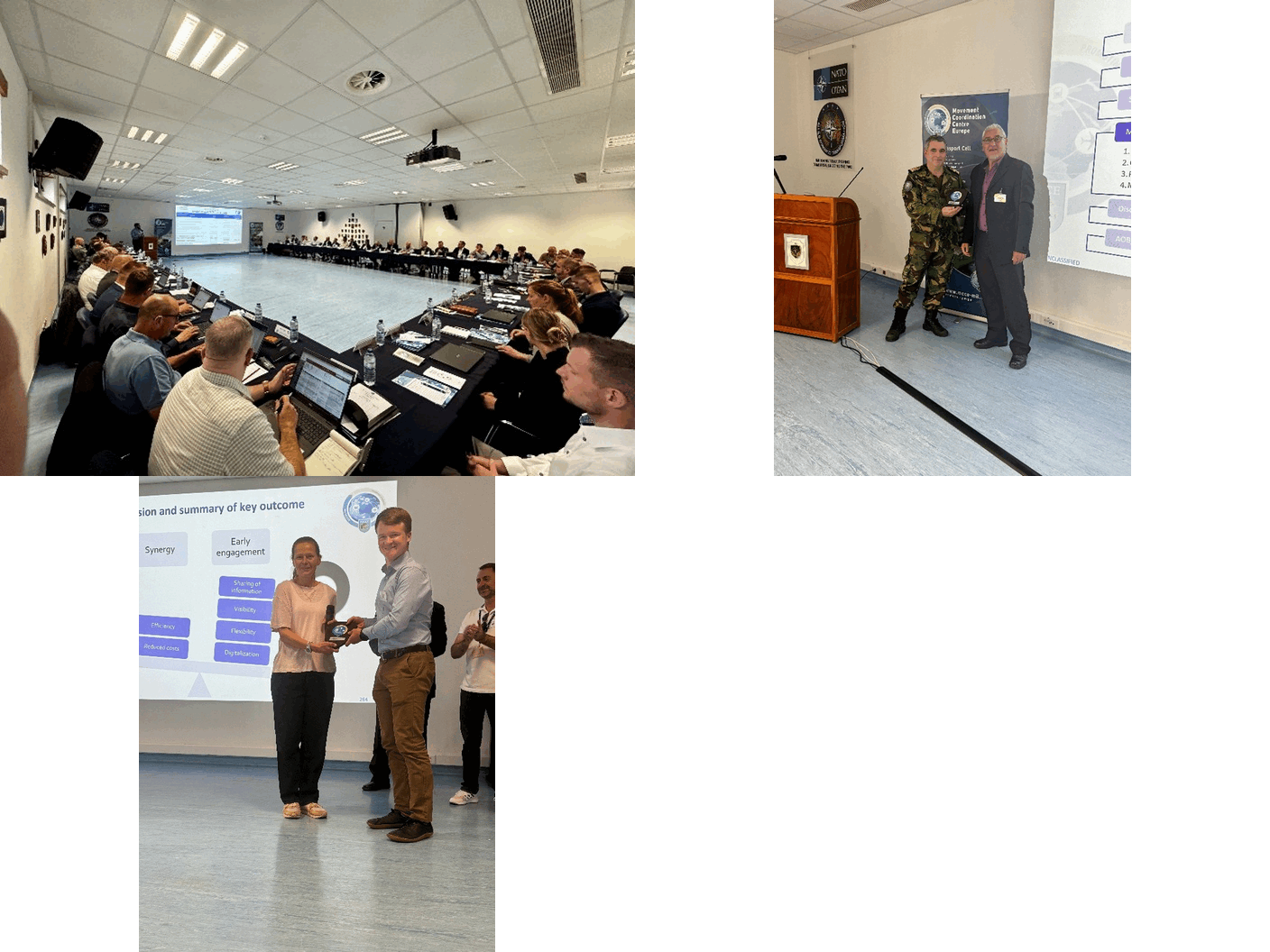

The 11th Customs Workshop took place from 16 to 18 June 2026 at Hotel DAP in Prague, Czech Republic, kindly hosted by the Czech Republic.
The event brought together national customs and military mobility representatives, civil customs experts, guest speakers and representatives from international organisations. As in previous editions, the workshop provided a valuable working-level forum to exchange practical experience, identify common challenges and strengthen cooperation within the customs and military mobility community.
The 2026 edition focused in particular on the commercial versus military use of NATO/EU Form 302, a topic which generated extensive discussion throughout the workshop. National representatives presented their respective practices, confirming that Form 302 remains a key facilitation tool for military mobility, while its practical implementation still differs significantly between nations.
Discussions showed that the distinction between military use, commercial use, contracted transport and third-party involvement remains one of the most relevant practical issues. While the legal basis for NATO/EU Form 302 is generally understood, its application may vary depending on national procedures, local customs interpretation, the status of the goods and the involvement of civilian carriers, brokers or contractors.
Guest speakers provided updates on the Union Customs Code, the EU Military Mobility Package, NATO and EU developments, digitalisation initiatives, NSPA customs matters and the wider operational implications for military mobility. AFTS also delivered a practical demonstration of its system for the digitalisation and processing of Form 302, showing how electronic data exchange could support future military customs procedures.
Digitalisation was a recurring theme throughout the workshop. Participants discussed ongoing EU, NATO, EDA and industry-related initiatives aimed at improving the use, exchange and traceability of Form 302 data. At the same time, the need to avoid duplication of efforts and ensure interoperability, legal acceptance and practical usability was clearly highlighted.
The national updates confirmed that customs structures, procedures and levels of military customs expertise differ considerably across nations. Several participants reported challenges related to pre-clearance, pre-authentication, third-party use of Form 302, sanitary and phytosanitary controls, non-fiscal regulations, local customs interpretation and paper-based procedures.
The open discussion further reinforced the operational relevance of the topic. Participants reflected on the gap between existing administrative timelines and the speed required for NATO reinforcement and collective defence, underlining that customs and border procedures must also be assessed against operational requirements.
Beyond the formal agenda, the workshop again confirmed the importance of the Customs Workshop community as a trusted network. Direct contacts between national representatives, customs experts, NATO, NSPA and other stakeholders remain essential to solve problems quickly, share lessons learned and support future improvements.
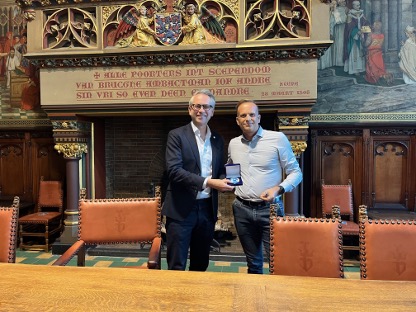
The Chairman, Mr. Michel Vink, thanked the Czech Republic for hosting the event and all participants for their active contribution. He underlined the continued value of the Customs Workshop as a practical platform for sharing experience, building cooperation and supporting the improvement of customs procedures in favour of military mobility.
The outcomes of the 11th Customs Workshop will support further work on the harmonisation, digitalisation and practical application of NATO/EU Form 302, as well as continued cooperation between military and civil customs stakeholders.